Gender and Child Labour

Welcome to the Gender Equality Fisheries Knowledge Platform
Why Gender Equality Matters in Fisheries:
Gender equality is essential for the sustainability of community fisheries, as it ensures that both women and men have equal opportunities to contribute to and benefit from the sector. Addressing gender inequalities and child labour is critical to building resilient, inclusive fisheries that support sustainable livelihoods.
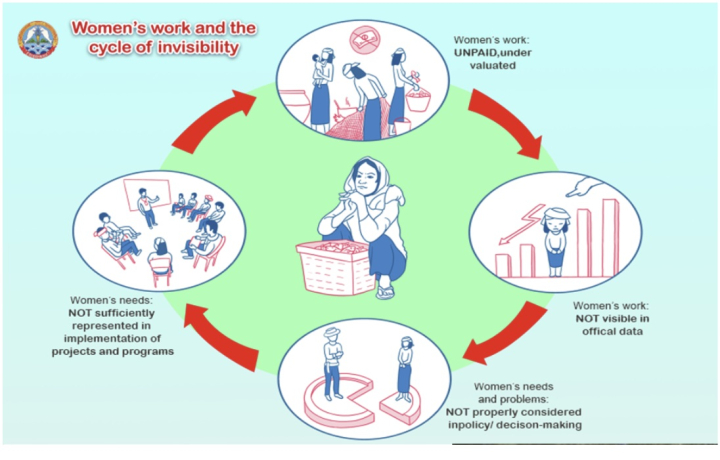
Women constitute half of the fish value chain in Cambodia and play substantial roles in the family-based fisheries. Despite their substantial contribution across capture fisheries, aquaculture, and their downstream activities such as fish processing and marketing, their roles are often perceived as an extension of domestic work, leading to undervaluation in economic terms. Moreover, women lack opportunities to upgrade their skills, a major factor contributing to their lack of negotiating power and access to leadership positions. The constraints on their time due to reproductive and care responsibilities further impede their economic and social participation, hindering the pursuit of their work-related goals.
Alignment with National Priorities:
- Gender equality is a core component of Cambodia’s Pentagon Strategy Phase I, which highlights inclusive growth and social protection as key pillars for development.
- Policy Commitment: The Ministry of Agriculture, Forestry and Fisheries (MAFF) and the Fisheries Administration (FiA) emphasize gender equality and the elimination of child labour as priorities in their Policies, including the FiA Strategic Planning Framework for Fisheries (SPF)
- Sustainable Livelihoods: Empowering women in fisheries contributes to food security, resilience, and poverty reduction, while enhancing the well-being of fisheries communities.
- Breaking Cycles of Poverty: Investing in women’s skills, leadership, and economic opportunities helps reduce child labour, improve household incomes, and ensure intergenerational progress
There is compelling evidence illustrating the transformative impact of gender equality on sustainable development. Promoting gender equality and protecting children from labour are not only fundamental human rights, but also crucial to poverty reduction, the vitality of rural economies, and sustainable natural resource management of aquatic ecosystems.
Empowering women is one of the most effective ways to improve sustainability outcomes, benefitting not only of women, but also their families and communities. It contributes to reducing food insecurity, lowering rates of child labour and breaking the intergenerational cycles of poverty.